Earth Faces Impending Threats from Space: A Growing Concern
In the vast expanse of the cosmos, lurking beyond our earthly realm, lies a potential menace that threatens not only our planet but also the fabric of life as we know it. The Earth will face bacteria and viruses created by space bugs in the near future. While this notion may seem straight out of a science fiction novel, recent advancements in space exploration and astrobiology have shed light on the possibility of extraterrestrial microorganisms hitchhiking their way to our home planet.
Risk of alien microorganisms from space exploration
The concept of space bugs, or microorganisms from outer space, may sound like the plot of a Hollywood blockbuster, but it's a topic that scientists take seriously. As humanity ventures further into the depths of space, whether through manned missions to other celestial bodies or the exploration of distant planets and moons using robotic probes, the risk of encountering alien microorganisms becomes increasingly real. The Earth will face bacteria and viruses created by space bugs in the near future, posing a unique challenge to our understanding of infectious diseases and public health.
How Space Travel Increases Exposure to Extraterrestrial Microbes
Space travel significantly increases the likelihood of encountering extraterrestrial microbes because astronauts are constantly exposed to environments beyond Earth’s protective atmosphere. Outside our planet, spacecraft come into contact with cosmic dust, asteroid particles, and unknown biological materials that may carry microscopic life forms. As space missions expand to the Moon, Mars, and deep-space destinations, the chances of transporting foreign organisms back to Earth also rise. This growing exposure highlights the importance of strict quarantine protocols, advanced spacecraft sterilisation techniques, and continuous monitoring to prevent possible biological contamination.
Read More:
Challenges in Understanding Unknown Space-Based Pathogens
Understanding space-based pathogens is extremely challenging due to their unfamiliar biological structure, unpredictable behaviour, and lack of comparative data. Unlike terrestrial microbes, extraterrestrial organisms may evolve under high radiation, microgravity, or extreme temperature fluctuations—conditions that fundamentally change how life functions. Scientists struggle to predict how these pathogens might interact with human cells or Earth’s ecosystems because existing models are based solely on Earth-origin biology. This knowledge gap complicates risk assessment, containment strategies, and the development of potential treatments.

Why Extraterrestrial Microbes Are Hard to Predict
Extraterrestrial microbes are difficult to predict because they may be built on biological systems entirely different from those found on Earth. They could possess alternative genetic structures, unique metabolic processes, or adaptations shaped by environments with no Earth-like equivalents. With no prior samples or evolutionary history for comparison, scientists cannot accurately anticipate how these microbes may react to human immunity, Earth’s atmosphere, or terrestrial flora and fauna. This unpredictability makes extraterrestrial microbiology one of the most complex scientific frontiers.
Read More:
Potential Transmission Mechanisms of Space-Borne Pathogens
Space-borne pathogens could potentially spread through several mechanisms, depending on their biological makeup and environmental resilience. Contaminated spacecraft surfaces, astronaut suits, air filtration systems, or returned samples from planets and asteroids could serve as carriers. Microbes adapted to survive extreme radiation and vacuum conditions may remain dormant during travel but become active once exposed to Earth’s atmosphere or living hosts. These possible transmission routes underscore the critical need for advanced biosecurity measures in future interplanetary missions.
Ecological impact of alien bacteria and viruses on Earth
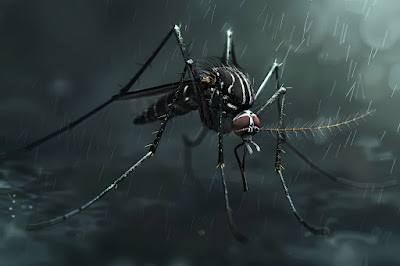
Furthermore, the introduction of alien microorganisms into Earth's biosphere could have far-reaching ecological consequences. The delicate balance of ecosystems could be disrupted by the presence of novel pathogens, leading to widespread ecological upheaval and biodiversity loss. The Earth will face bacteria and viruses created by space bugs in the near future, highlighting the need for proactive measures to mitigate the potential risks posed by these interstellar invaders.
Read More:
Disruption of Earth's Natural Ecosystems
The introduction of extraterrestrial pathogens could severely disrupt Earth’s natural ecosystems, which have evolved over millions of years based on stable biological interactions. Even a small microbial presence from space could interfere with nutrient cycles, soil composition, or plant growth by altering microbial balances that underpin ecological stability. If such organisms interact with native species in unpredictable ways, they may trigger cascading effects across food chains, destabilising habitats and threatening environmental harmony. This risk makes rigorous space-biosecurity essential as humanity ventures further into the cosmos.

Biodiversity Threats from Extraterrestrial Pathogens
Extraterrestrial pathogens could pose significant threats to global biodiversity if they manage to infect Earth’s plants, animals, or microorganisms. Species with no evolutionary exposure to such pathogens may lack natural defences, resulting in rapid population declines or even extinction events. Sensitive ecosystems—such as rainforests, coral reefs, and mountain habitats—are especially vulnerable, as they rely heavily on a delicate biological balance. Protecting biodiversity requires not only monitoring returning spacecraft but also developing early detection systems that can identify non-terrestrial microbes before they spread.
Possible Cross-Species Contamination Risks
The potential for cross-species contamination is one of the most serious concerns associated with extraterrestrial microbes. If a space-borne pathogen can adapt to multiple hosts, it may infect various organisms across different ecological niches, accelerating its spread. Such a pathogen could jump from microorganisms to plants, insects, or even mammals, creating unpredictable transmission pathways. These cross-species risks complicate containment efforts and highlight the need for research into pathogen adaptability, host interaction patterns, and preventive biological barriers.
Read More:
Long-Term Environmental Consequences
The long-term environmental consequences of extraterrestrial microbial contamination could be profound and irreversible. Once an alien microbe establishes itself within an ecosystem, it may alter evolutionary trajectories, influence species survival, and reshape ecological dynamics for centuries. Changes in vegetation patterns, soil fertility, atmospheric composition, or aquatic life could emerge long after initial exposure. Without early intervention and strict planetary protection protocols, the lasting impact of such pathogens could fundamentally transform Earth’s environment and the future of life on the planet.
Scientific preparedness for extraterrestrial infectious diseases
While the prospect of space bugs wreaking havoc on Earth may seem like something out of a sci-fi nightmare, it's essential to approach the issue with a level-headed and scientifically grounded mindset. Rather than succumbing to fear and paranoia, researchers advocate for a proactive approach to studying and preparing for the potential arrival of extraterrestrial microorganisms. The Earth will face bacteria and viruses created by space bugs in the near future, but through diligent research and preparedness efforts, we can better understand and mitigate the risks associated with this phenomenon.
Read More:
Studying extremophiles to understand space-based microorganisms
One avenue of research that has gained traction in recent years is the study of extremophiles—organisms capable of thriving in extreme environments similar to those found in space. By studying extremophiles here on Earth, scientists hope to gain insight into the types of microorganisms that may exist beyond our planet and their potential impact on Earth's biosphere. The Earth will face bacteria and viruses created by space bugs in the near future, and understanding the biology of extremophiles could prove invaluable in preparing for this eventuality.
Advanced technologies for detecting extraterrestrial microbes
In addition to studying extremophiles, scientists are also exploring the development of technologies capable of detecting and identifying extraterrestrial microorganisms. From advanced microscopy techniques to cutting-edge genomic sequencing methods, researchers are harnessing the power of modern technology to better understand the potential threats posed by space bugs. The Earth will face bacteria and viruses created by space bugs in the near future, and equipping ourselves with the necessary tools to detect and analyse these microorganisms is paramount to our preparedness efforts.
Read More:
Role of Genomic Sequencing in Pathogen Identification
Genomic sequencing plays a critical role in identifying potential extraterrestrial pathogens by decoding their genetic material at the molecular level. This advanced technology allows scientists to compare unknown microbial DNA or RNA with existing databases, helping determine whether a sample originates from Earth or an extraterrestrial environment. Through rapid sequencing tools, researchers can analyse microbial mutations, assess virulence factors, and predict how such organisms might interact with human biology or natural ecosystems. As missions to Mars, Europa, and beyond continue, genomic sequencing will remain essential for early detection, accurate classification, and swift response to any biological threats from space.
Innovations in Planetary Protection Tools
Innovations in planetary protection tools are becoming increasingly vital as space exploration reaches farther regions of the solar system. Modern spacecraft now incorporate advanced sterilisation systems, antimicrobial coatings, and automated contamination-monitoring sensors to minimise biological transfer between Earth and other celestial bodies. New AI-driven detection technologies can identify microscopic contaminants in real time, while improved sample-return capsules ensure strict containment during re-entry. These cutting-edge tools are designed not only to protect Earth’s ecosystems but also to preserve the purity of alien environments, ensuring future discoveries remain scientifically valid and free from human-introduced interference.
Read More:
Biosecurity protocols to prevent space- microbe outbreaks
Despite the uncertainties surrounding the arrival of space bugs on Earth, there are steps that individuals and governments can take to mitigate the risks associated with this phenomenon. Implementing stringent biosecurity measures at ports of entry and research facilities can help prevent the inadvertent introduction of extraterrestrial microorganisms into Earth's biosphere. The Earth will face bacteria and viruses created by space bugs in the near future, but through proactive measures such as biosecurity protocols, we can minimise the likelihood of a widespread outbreak.
Strengthening Global Biosecurity and Quarantine Systems
Strengthening global biosecurity and quarantine systems is essential as the risks associated with extraterrestrial microbes grow with expanding space exploration. Nations must adopt unified protocols to screen spacecraft, astronauts, and returned samples for potential contaminants before they re-enter Earth's environment. Enhanced quarantine facilities, advanced microbial detection tools, and standardized emergency procedures can help prevent accidental releases. By upgrading surveillance networks at airports, labs, and research stations, the world can establish a resilient frontline defence standardised against unknown biological threats originating beyond Earth.
Read More:
International Collaboration for Space Microbiology Research
International collaboration plays a pivotal role in advancing our understanding of space microbiology. Since extraterrestrial pathogens pose global risks, shared scientific data, joint research missions, and collective funding can accelerate discoveries while improving planetary protection standards. Space agencies, universities, and biotech organisations worldwide are increasingly partnering to develop new diagnostic tools, containment systems, and microbial behaviour models. Such cooperation ensures that the scientific community can rapidly respond to emerging threats, minimise behaviour risks, and uphold ethical standards in deep-space research.
Space Agency Guidelines and Prevention Protocols
Space agency guidelines and prevention protocols form the backbone of responsible space exploration. Organisations like NASA, ESA, ISRO, and JAXA implement strict sterilisation, sample-handling, and decontamination measures that reduce the likelihood of biological cross-contamination. These protocols cover spacecraft assembly, mission planning, astronaut training, and return-to-Earth procedures. By continuously updating these standards based on new research, space agencies ensure that interplanetary missions are conducted with maximum safety while safeguarding both Earth’s biosphere and extraterrestrial environments.
Read More:
Government Preparedness and Response Strategies
Government preparedness and response strategies are crucial for managing potential outbreaks linked to space-borne pathogens. National health agencies must develop contingency plans that include rapid diagnostic systems, isolation units, public communication frameworks, and scientific advisory committees capable of responding immediately to unusual biological findings. Governments also need to fund specialised laboratories and train personnel in extraterrestrial biohazard management. Through proactive planning and coordinated action, nations can mitigate risks and maintain public safety in the event of an extraterrestrial microbial threat.
Safeguarding Earth from future space-borne pathogens
One of the primary concerns surrounding the potential arrival of space bugs on Earth is their unknown characteristics and behaviour. Unlike terrestrial pathogens that have been studied extensively by scientists, extraterrestrial microorganisms present a novel and unpredictable threat. The Earth will face bacteria and viruses created by space bugs in the near future, and our lack of understanding regarding their virulence, transmission mechanisms, and potential impacts on human health is cause for apprehension.
Read More:
Building Resilient Scientific Defence Systems
Building resilient scientific defence systems is essential to protect humanity from the potential dangers of extraterrestrial microbes. These systems combine advanced research laboratories, high-level biosafety facilities, rapid diagnostic technologies, and real-time data analysis platforms. By integrating artificial intelligence, genome mapping, and automated pathogen detection, scientists can quickly identify unusual microbial behaviour and develop countermeasures. A resilient scientific defence network not only prepares Earth for unexpected biological threats but also strengthens our capability to respond efficiently to emerging diseases—whether terrestrial or extraterrestrial.
Importance of Monitoring, Surveillance, and Global Cooperation
Monitoring and surveillance act as the first lines of defence in detecting space-borne pathogens before they become widespread. Continuous tracking of returned spacecraft, astronaut health, and environmental samples enables scientists to identify anomalies at the earliest stage. However, the effectiveness of these efforts depends heavily on global cooperation. Sharing data, detection tools, and research insights among nations promotes unified action against high-risk microbes. In a world increasingly connected through space exploration, collective vigilance is key to preventing biological threats from slipping through international borders.
Read More:
Public Awareness and Science-Based Policy Making
Public awareness and science-based policy making are vital in strengthening society’s resilience against potential extraterrestrial biohazards. Educating communities about the importance of planetary protection, space-borne pathogens, and the role of scientific research helps reduce misinformation and panic. At the same time, governments must rely on evidence-based guidelines from scientists, epidemiologists, and space agencies when forming policies related to biosecurity and exploration. This synergy between informed citizens and responsible policymakers lays the groundwork for effective risk management and long-term safety.
Preparing for Long-Term Extraterrestrial Threats
Preparing for long-term extraterrestrial threats requires strategic planning, continuous research, and the development of adaptable safety protocols. As humanity moves toward establishing lunar bases, Mars colonies, and deep-space missions, the likelihood of encountering unknown microbes increases. Long-term preparation involves forecasting future risks, enhancing protective technologies, training specialised personnel, and creating flexible response frameworks that can evolve with new discoveries. By investing in sustainable defence specialised strategies today, we ensure that future generations can explore the cosmos safely while preserving Earth’s ecological integrity.


Social Plugin